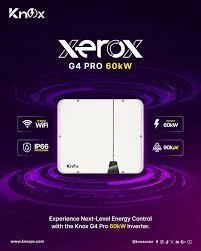

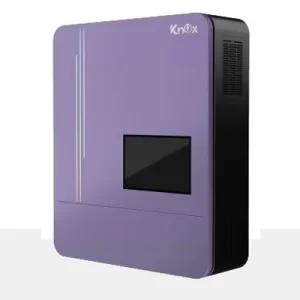
KNOX XEROX G4 Pro 60k/90kpV
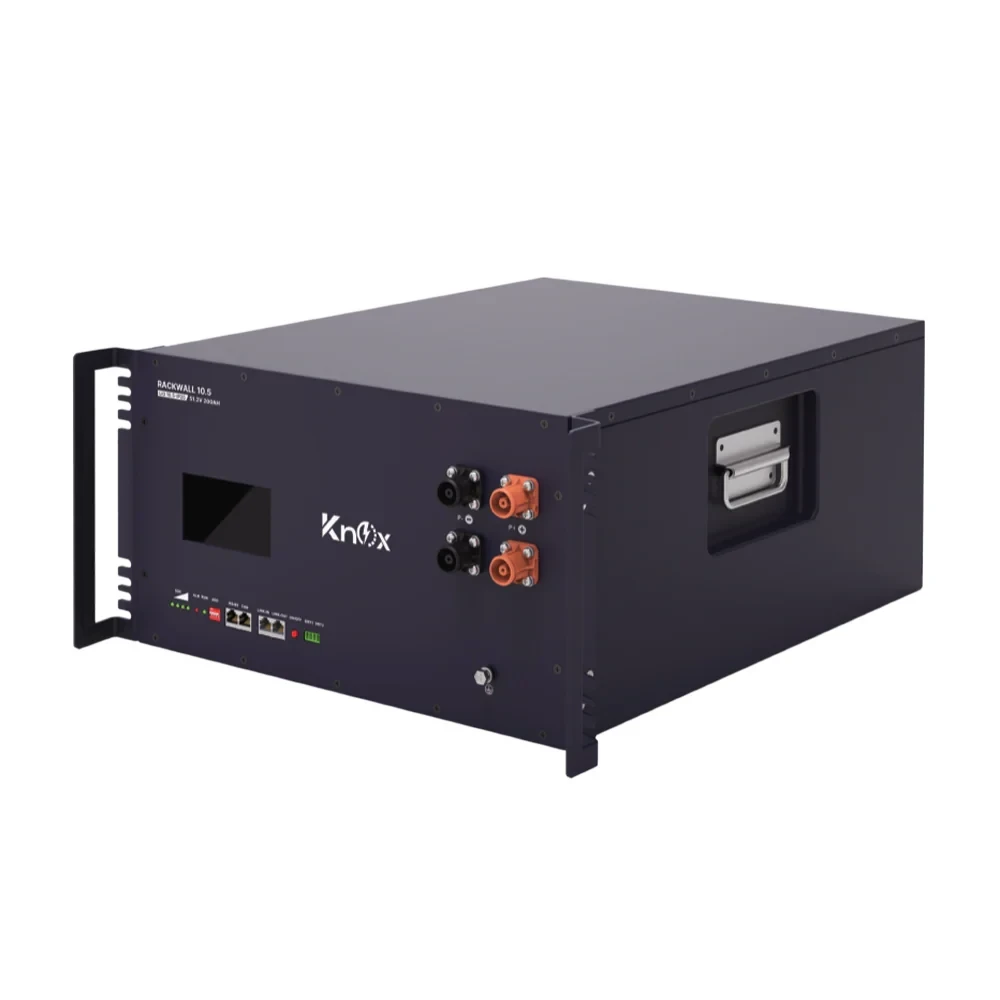
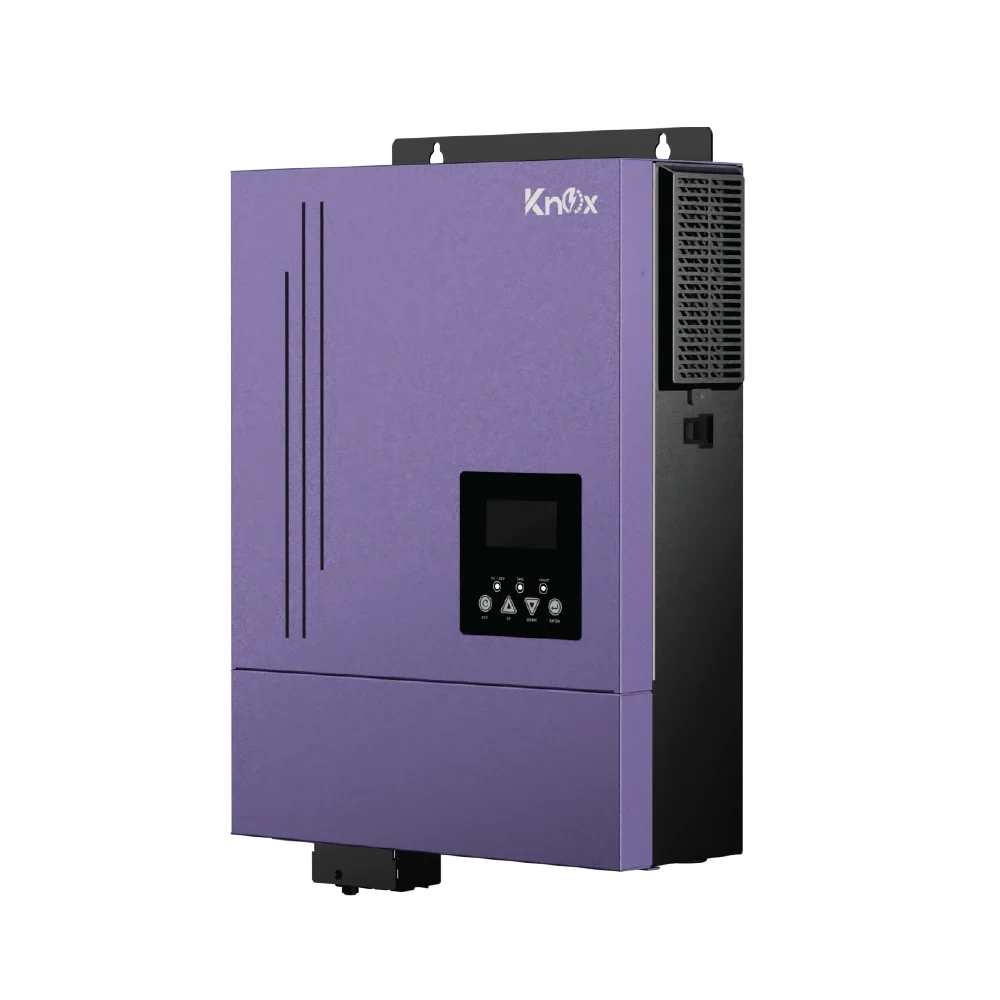
There is a listing for “KNOX G4 Pro 60k/90kpV 50 KW On‑Grid Solar Inverter With 90000W PV” on a Pakistani retailer site.
This listing suggests that the inverter is marketed to support “90,000 Wp PV” (i.e. 90 kWp) array input, while being sold as “50 kW On‑Grid” inverter.
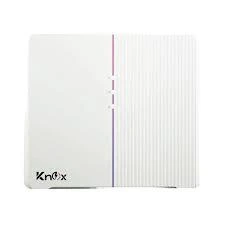
The same brand’s smaller G4 Pro / G4 inverter models (10 kW, 20–25 kW, 40.5 kW, 50 kW) do have more detailed specs publicly available: wide MPPT voltage ranges, support for oversizing PV array (e.g. 150%), IP66 (or similar) enclosures, multiple MPPTs/strings, active‑cooling, and grid‑tie protections. There is (at least in one documented case) official grid‑tie / net‑metering registration under a slightly smaller G4 Pro model (50k / 75kpV) by the local utility/regulatory authority in Pakistan.
In short: the brand offers large‑capacity inverters under the “G4 Pro” line; there is a product listing labeled “60k/90kpV,” but its stated “AC output” in that listing is 50 kW — which suggests that “60k” in name may not correspond to 60 kW output, but is more an identifier or marketing label.
I could not locate a verified datasheet (with independent certification, e.g. IEC, TÜV, etc.) showing 60 kW rated output plus 90 kWp PV input capacity under official spec. The public spec-sheet for “50 kW” G4 Pro is available — but not for a “60 kW” version.
The listing with “60k/90kpV” simultaneously calls itself “50 KW On‑Grid Solar Inverter”. This is contradictory — suggesting that “60k/90kpV” may only refer to PV‑array rating or brand‑naming, not the actual AC output capacity.
In large inverter / PV manufacturers’ practice, a big jump (e.g. 50 kW → 60 kW rated AC) without proper spec documentation, certifications or third‑party test data is unusual. Lack of external validation raises reliability / performance risk.
For very large PV array (90 kWp) + inverter, you need substantial roof/panel area, proper configuration, and grid‑side infrastructure (wiring, breakers, meter, net‑metering). If any of these are weak or missing — you may never get promised output or may even risk safety/compliance issues.
If you decide to look at “G4 Pro 60k/90kpV,” do not buy blindly. Instead — verify carefully:
Ask the seller for a full official datasheet: rated AC output (kW), rated AC current & voltage, MPPT specs, max DC input current/voltage, efficiency, Ukrainian or IEC‑certification.
Confirm in writing whether “60k/90kpV” refers to AC output or PV‑array input. If output is 50 kW, treat the inverter as a 50 kW class — plan load/array accordingly.
Ensure your planned solar panel array size, layout, roof strength & orientation are realistic for the claimed PV‑array capacity (90 kWp).
Check that your grid connection / meter / wiring at your locality supports the inverter output. Also, check if you are eligible for (and correctly apply for) net‑metering / grid‑tie permission.
Prefer suppliers/installers with good track‑record, after‑sales support, and install proper protective devices (earthing, surge arrestor, DC disconnect, over‑current protection, etc.).
I remain skeptical that “60k/90kpV” as listed is a verified, certified 60 kW inverter — the publicly available data suggests it’s marketed as a 50 kW class.
If I were you and needed a high‑capacity inverter, I would treat it as a 50 kW inverter with potential for large PV input (up to ~90 kWp) — but only if I get clear specifications, proper installation, and grid compliance.
If I were investing in a new system requiring 50 + kW output (e.g. commercial, multi‑unit building), I’d also consider reliable inverters from established international brands (with documented certifications) — to reduce risk.

No review given yet!
 Fast Delivery all across the country
 Safe Payment
 7 Days Return Policy
 100% Authentic Products






You need to Sign in to view this feature

This address will be removed from this list
 english